Transform your educational space into a festive learning wonderland that inspires students while maintaining the focused atmosphere essential for academic success. These creative classroom decorating ideas prove that holiday spirit and educational excellence can coexist beautifully, creating environments where students feel excited to learn and teachers feel energized to teach. From budget-friendly bulletin board displays to interactive learning stations, these thoughtful approaches will help you celebrate the season while supporting curriculum goals and creating memorable experiences that students will treasure long after winter break.
1. Student Paper Art Gallery
Displaying student-created decorations builds confidence and ownership while transforming classroom walls into personalized galleries that celebrate individual creativity and achievement. This approach encourages artistic expression while developing fine motor skills through cutting, coloring, and crafting activities that support developmental milestones. The collaborative nature of bulletin board creation fosters teamwork and community building, helping students feel more connected to their classroom environment. The visual impact creates warm, welcoming spaces that make learning feel more enjoyable and less intimidating for reluctant learners. This student-centered technique demonstrates that the most meaningful decorations come from the children themselves, creating authentic learning environments that reflect their unique personalities.
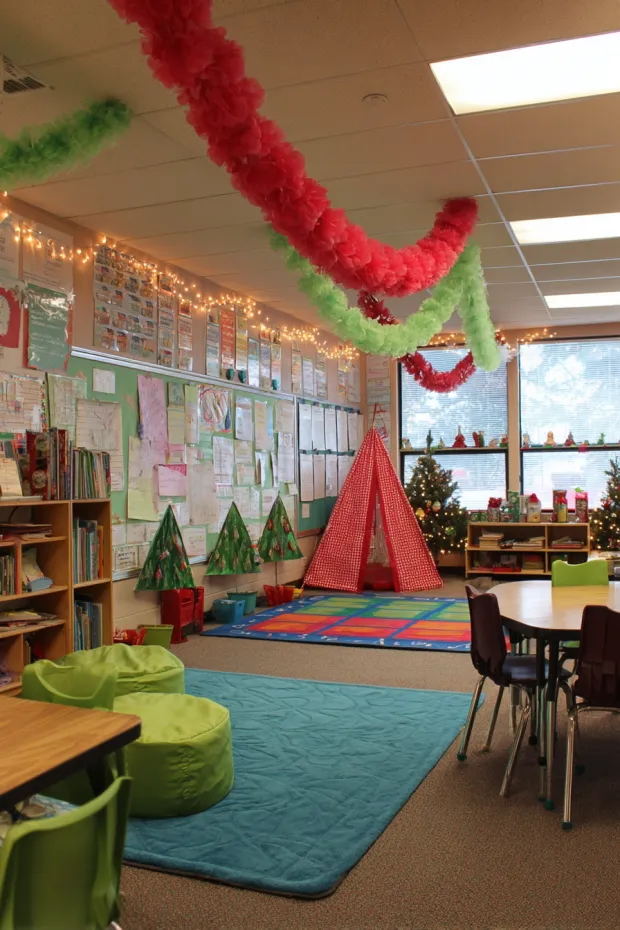
2. Interactive Holiday Countdown Calendar
Countdown decorations create anticipation and excitement while teaching valuable mathematical concepts like number sequencing, pattern recognition, and calendar skills naturally. The daily interaction maintains student engagement throughout December while providing opportunities for discussion, reflection, and community building during morning meetings. This educational approach transforms holiday waiting into productive learning experiences that develop patience and time awareness in young children. The visual organization helps students understand abstract time concepts while the tactile elements support different learning styles and developmental needs. This structured technique provides routine and predictability that helps anxious students feel more secure during the potentially overwhelming holiday season.
3. Literary Reading Corner
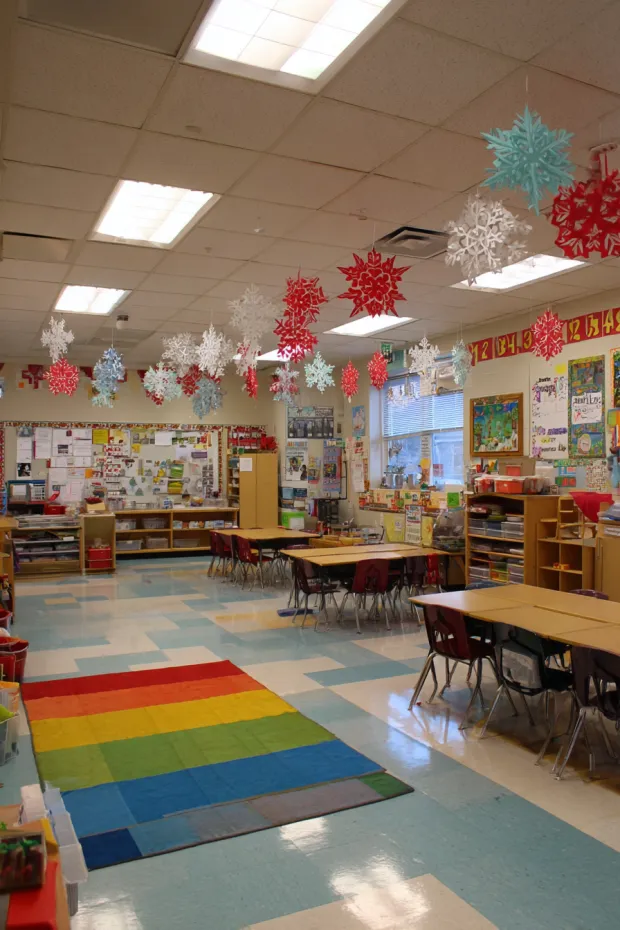
Integrating seasonal themes with academic content demonstrates that learning can be both rigorous and enjoyable, encouraging students to explore literature through festive lenses. The comfortable reading environment promotes literacy development while the thematic displays create natural discussion opportunities that enhance comprehension and critical thinking skills. This approach validates different learning preferences by providing quiet spaces for introverted students while maintaining visual interest for more active learners. The literary focus develops vocabulary and cultural awareness while the cozy atmosphere makes reading feel like a reward rather than a requirement. This academic technique proves that holiday decorating can directly support educational objectives while creating inspiring learning environments.
4. Hands-On Sensory Learning Station
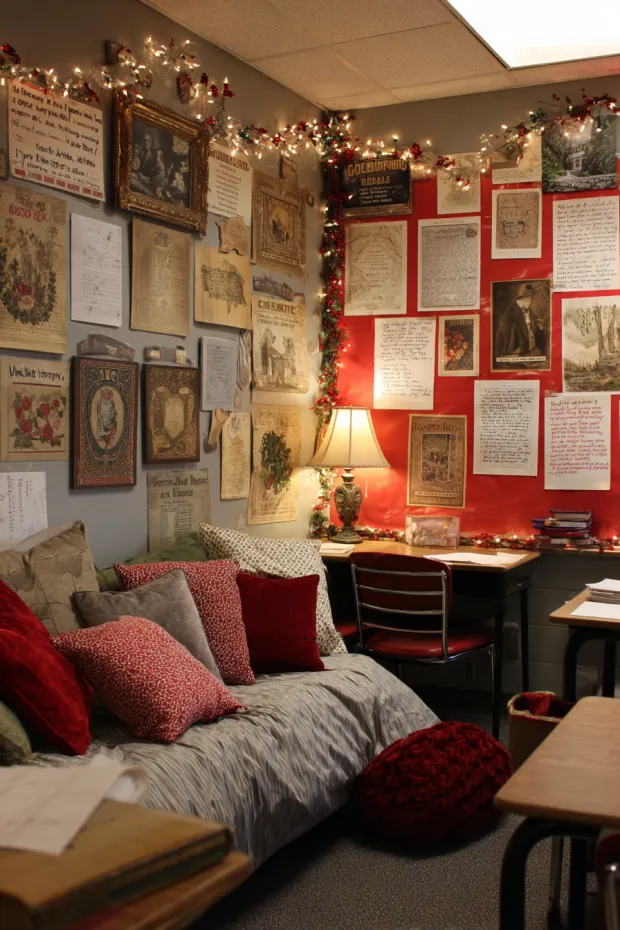
Age-appropriate sensory experiences support early childhood development while providing safe outlets for exploration and discovery during potentially overstimulating holiday periods. The hands-on activities develop fine motor skills and cognitive abilities while the calming sensory elements help regulate emotions and behavior in young children. This inclusive approach accommodates different learning styles and developmental needs while creating engaging activities that hold attention spans naturally. The educational play opportunities reinforce academic concepts through multi-sensory experiences that enhance memory retention and understanding. This developmental technique demonstrates that effective teaching combines fun with learning, creating positive associations with educational experiences.
5. Music Room Creative Display
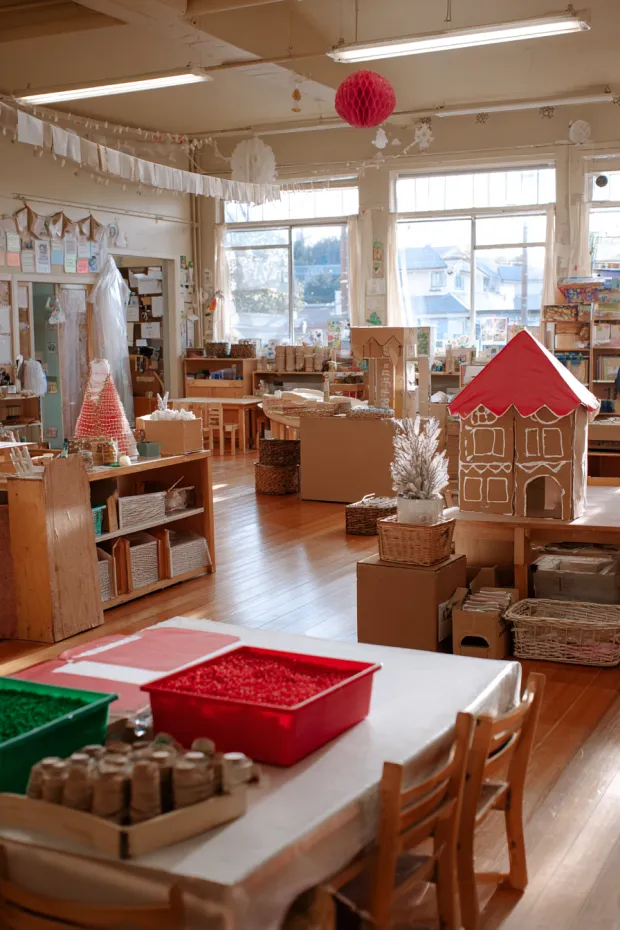
Creative integration of holiday themes with subject-specific content proves that interdisciplinary teaching enhances learning outcomes while maintaining curricular standards effectively. The visual music elements reinforce theoretical concepts while the interactive decorations provide hands-on learning opportunities that support auditory learners. This approach makes abstract musical concepts more concrete and accessible while the festive themes maintain student interest and enthusiasm. The collaborative decoration process builds ensemble skills and teamwork while the finished displays create performance-ready environments. This artistic technique shows how creative teaching methods can make complex subjects more approachable and enjoyable for students.
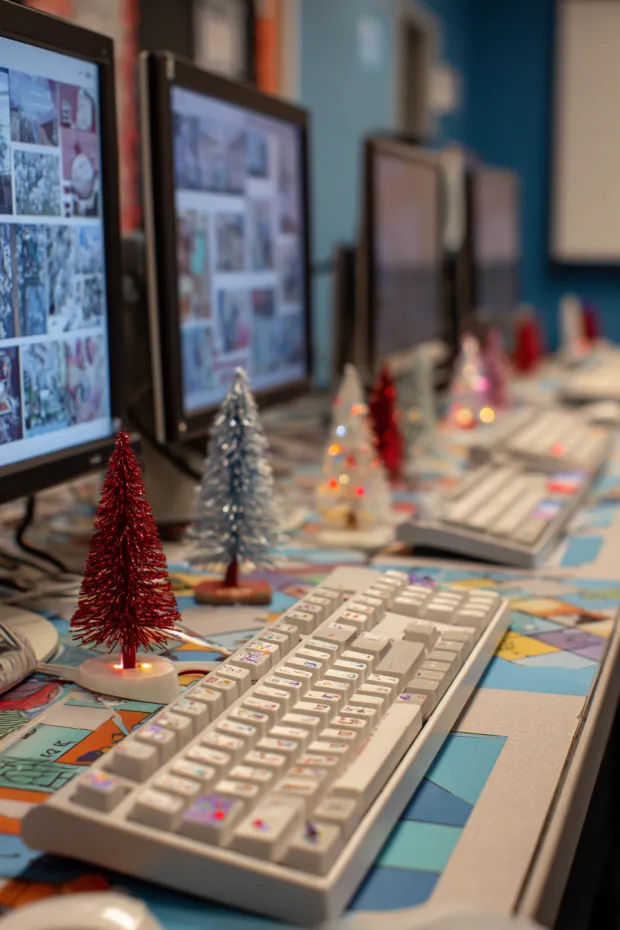
6. Technology Integration Holiday Display
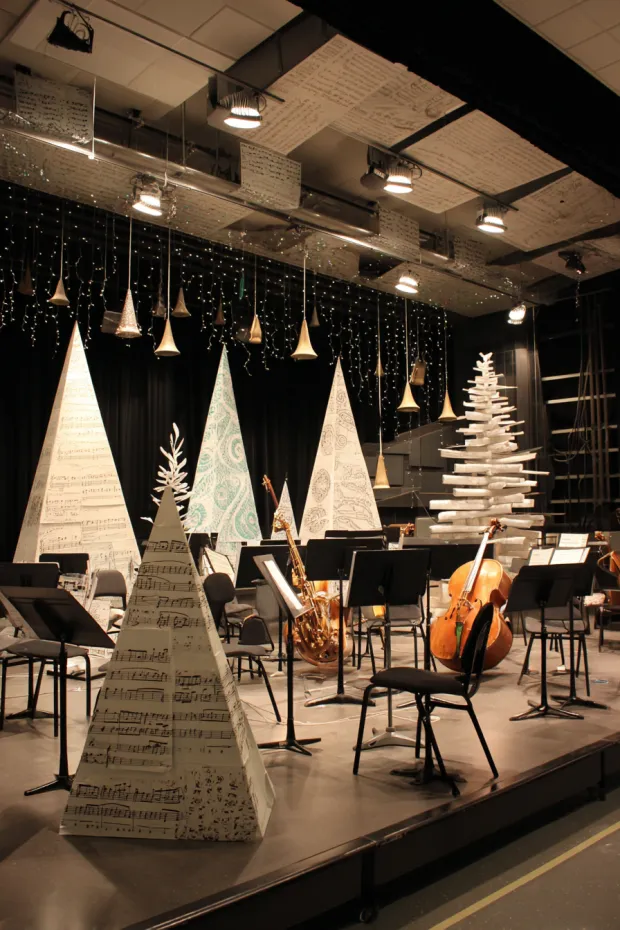
Technology integration demonstrates modern teaching approaches while creating interactive learning environments that engage digital natives naturally and effectively. The student-created content builds computer skills while the visual displays provide constant reinforcement of learning objectives throughout the school day. This contemporary approach validates students’ technological fluency while teaching appropriate digital citizenship and creative software applications. The customizable displays allow for easy updates and modifications while maintaining visual interest throughout the entire holiday season. This innovative technique bridges traditional holiday decorating with modern educational technology, preparing students for increasingly digital future learning environments.
7. Inclusive Special Needs Environment
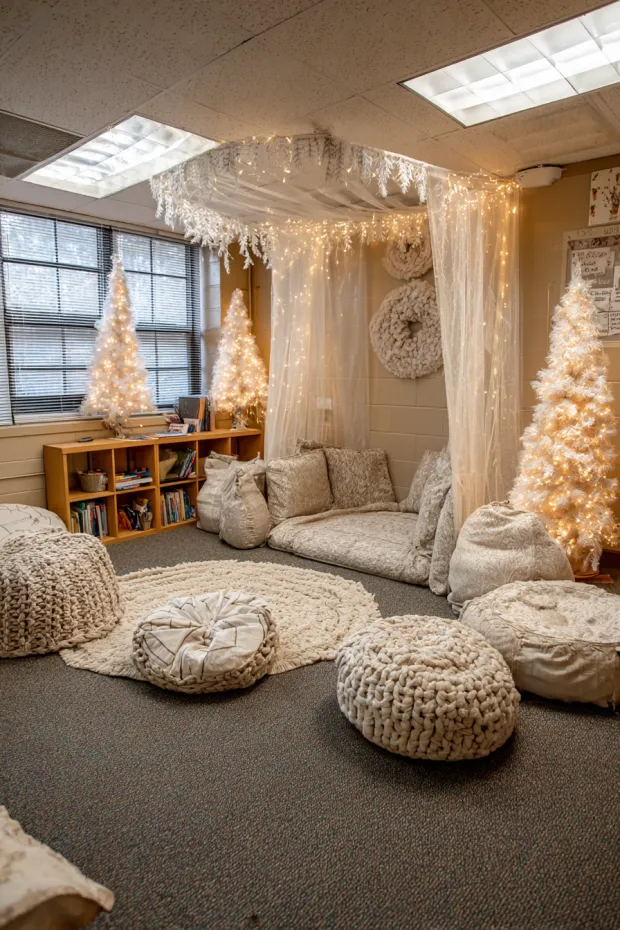
Creating sensory-friendly decorations ensures all students can participate comfortably in holiday celebrations while addressing diverse learning needs and accessibility requirements effectively. The adaptive materials provide appropriate stimulation levels while the calming elements help regulate behavior and emotional responses in sensitive learners. This inclusive approach builds empathy and understanding among typically developing peers while creating equitable learning environments for all students. The therapeutic considerations support individual education plans while maintaining festive atmosphere that promotes joy and celebration. This compassionate technique demonstrates that effective teaching addresses every student’s unique needs while fostering inclusive classroom communities.
8. Cultural Language Learning Space
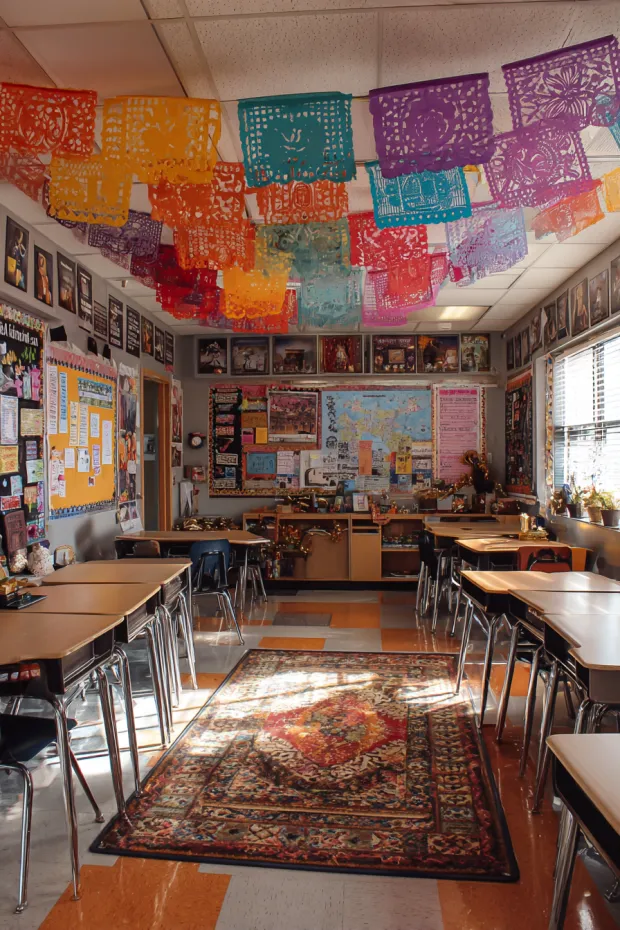
Multicultural decorating approaches broaden students’ worldview while teaching respect for diversity and global awareness through authentic cultural experiences and traditions. The language integration reinforces vocabulary development while the visual elements provide context clues that support second language acquisition naturally. This approach validates different cultural backgrounds while introducing new traditions and customs that expand students’ understanding of world communities. The authentic materials create meaningful connections to heritage and identity while promoting inclusive classroom environments. This global technique prepares students for increasingly diverse society while celebrating the richness that different cultures bring to learning communities.
9. Mathematical Holiday Learning Center
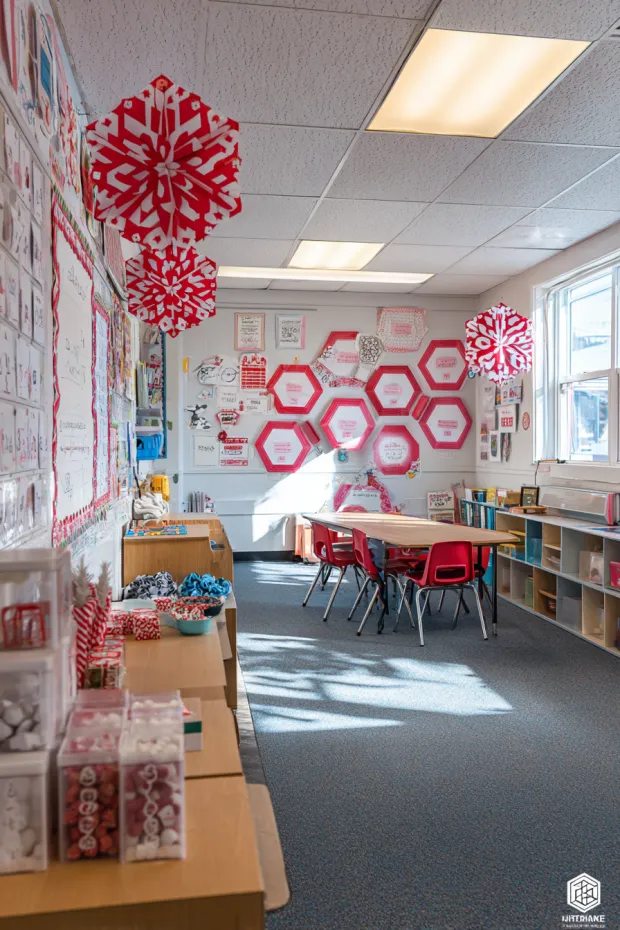
Subject-specific integration proves that academic rigor and holiday celebration can coexist effectively while reinforcing curriculum standards through engaging thematic applications. The visual mathematical concepts make abstract ideas more concrete while the interactive elements provide hands-on problem-solving opportunities that support kinesthetic learners. This approach demonstrates practical applications of mathematical skills while maintaining student interest through relevant seasonal contexts and familiar themes. The manipulative materials encourage exploration and discovery while the organized displays create structured learning environments that support focused attention. This analytical technique shows how creative teaching methods can make challenging subjects more accessible and enjoyable.
10. Art Studio Inspiration Space
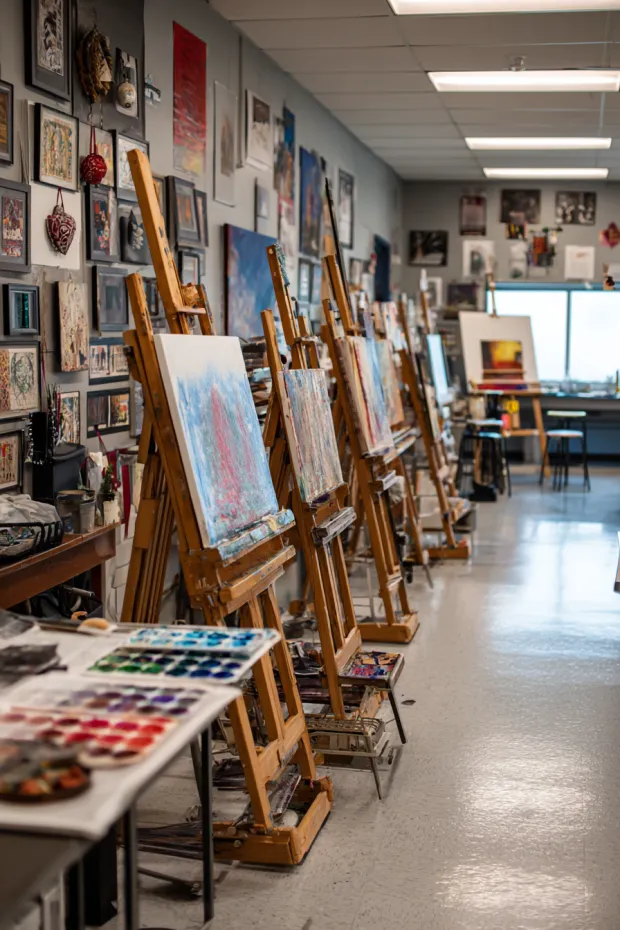
Creative classroom environments foster artistic expression while providing organized spaces for hands-on learning experiences that develop technical skills and creative confidence. The student gallery concept validates individual creativity while building community pride and encouraging continued artistic exploration and risk-taking. This approach teaches proper care of materials while creating inspiring workspaces that motivate students to produce their best artistic efforts. The visual displays provide ongoing inspiration while the organized systems teach responsibility and studio management skills essential for artistic development. This artistic technique demonstrates that creative environments can be both inspiring and functional, supporting both individual expression and collaborative learning.
11. Physical Education Activity Zone
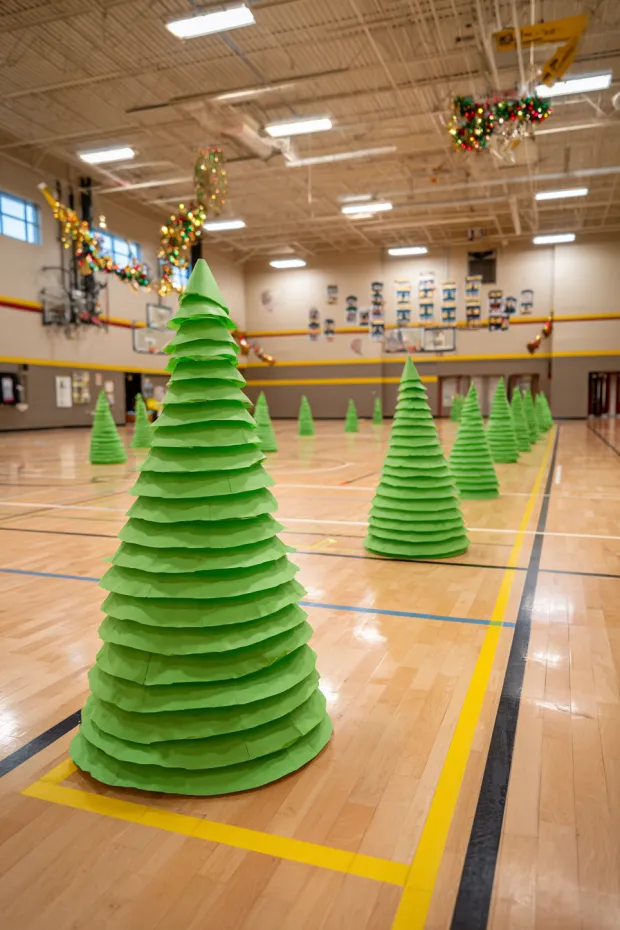
Large space decorating requires safety considerations while creating festive environments that maintain focus on physical fitness and movement education goals. The removable decorations ensure equipment functionality while the visual elements create excitement and engagement during potentially challenging winter months. This approach demonstrates that physical education deserves equal decorative attention while maintaining practical considerations essential for safe movement activities. The interactive elements encourage participation while the organized systems teach equipment care and spatial awareness skills important for athletic development. This kinesthetic technique proves that even active learning spaces can embrace holiday spirit while maintaining educational focus.
12. Library Reading Sanctuary
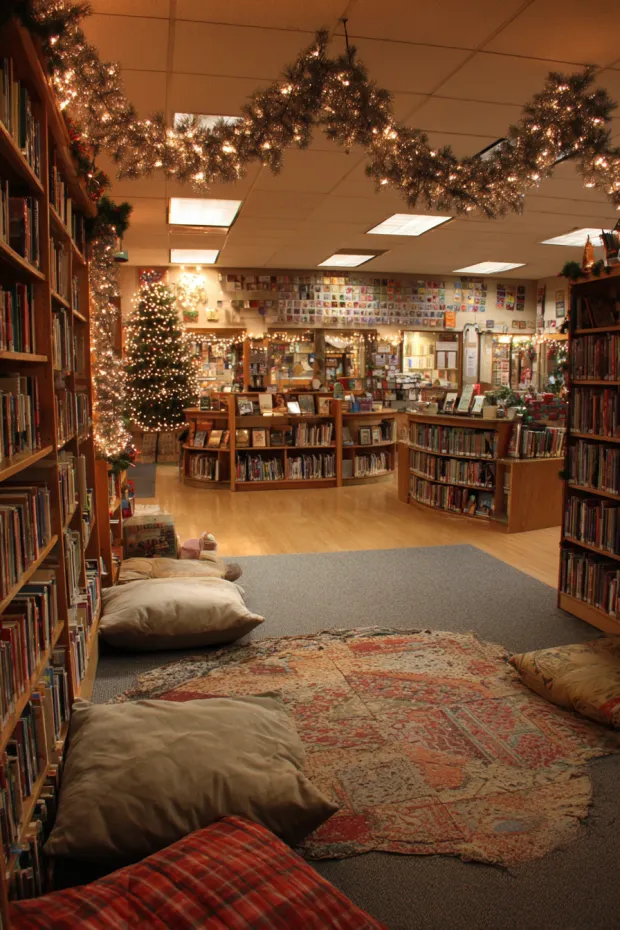
Creating dedicated reading environments promotes literacy development while demonstrating the joy and value of reading through comfortable, inviting spaces designed for exploration. The thematic book displays introduce new genres and topics while the cozy elements encourage longer reading sessions and deeper literary engagement. This approach validates reading as entertainment while supporting curriculum standards through carefully curated collections that align with learning objectives. The quiet spaces provide necessary retreat areas for introverted learners while the visual displays create interest for browsing and discovery. This literary technique demonstrates that libraries should be destinations rather than just resource centers, creating lifelong reading habits.
13. Community Dining Hall Atmosphere
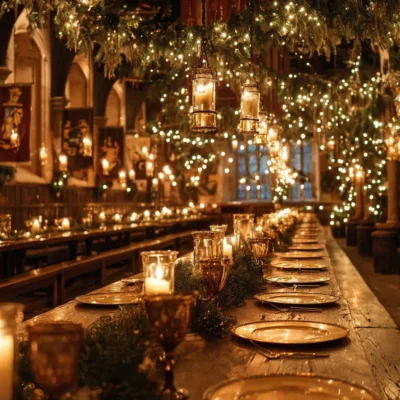
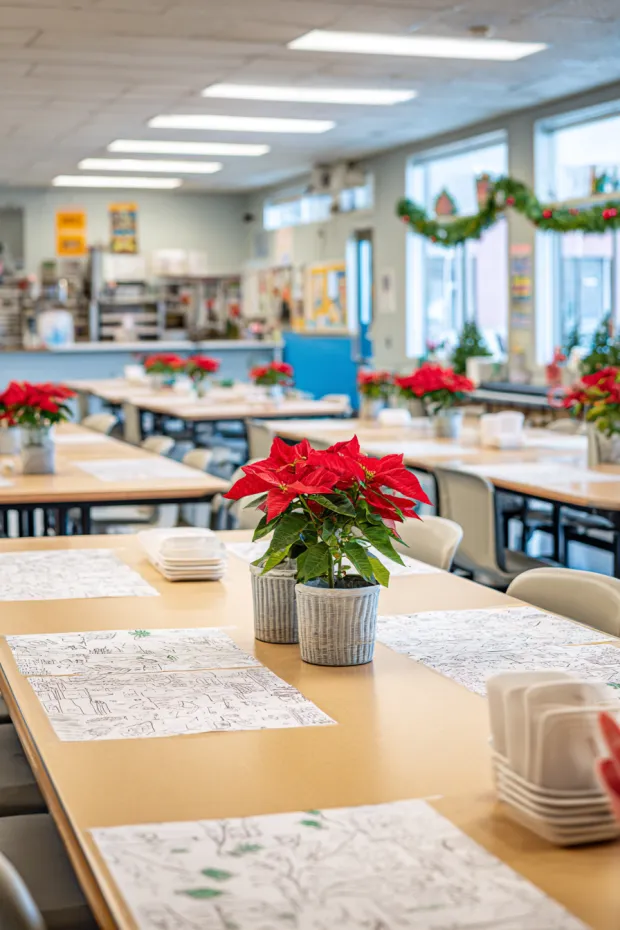
Shared space decorating creates sense of community while teaching social skills and cultural awareness through collaborative meal experiences and conversations. The student involvement builds ownership and pride while the festive elements create positive associations with school nutrition and social interaction. This approach transforms utilitarian spaces into welcoming environments while maintaining practical considerations essential for food service operations and safety. The cultural elements introduce diverse traditions while the collaborative decorations teach teamwork and collective responsibility for shared spaces. This social technique demonstrates that every school space deserves attention and care, building school pride and community connection.
14. Primary Grade Learning Environment
Age-appropriate decorating supports developmental milestones while creating engaging environments that make learning feel accessible and enjoyable for young children. The hands-on elements reinforce academic concepts while the visual displays provide constant reinforcement of curriculum objectives throughout daily activities. This approach builds letter recognition and vocabulary skills while the tactile experiences support different learning modalities and developmental needs effectively. The organized systems teach responsibility and classroom management while the colorful displays maintain attention and interest in learning activities. This developmental technique proves that primary classrooms can be both educational and enchanting, supporting academic growth through thoughtful environmental design.
15. Historical Timeline Learning Display
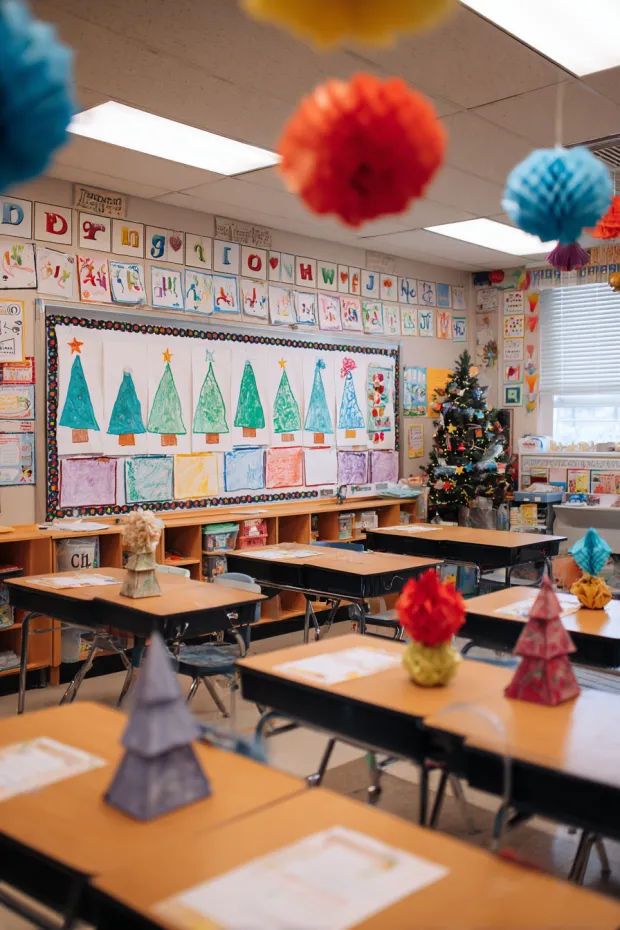
Subject integration demonstrates that learning connections span disciplines while creating meaningful contexts for understanding cultural traditions and historical development over time. The research component builds inquiry skills while the visual displays provide ongoing reference materials that support continued learning and discussion. This approach teaches critical thinking skills while the collaborative elements foster teamwork and shared responsibility for learning outcomes and classroom environment. The authentic materials create tangible connections to past while the student involvement builds ownership and deeper understanding of historical concepts. This scholarly technique shows how decorating can directly support curriculum objectives while creating engaging learning experiences.
16. Drama Performance Learning Space
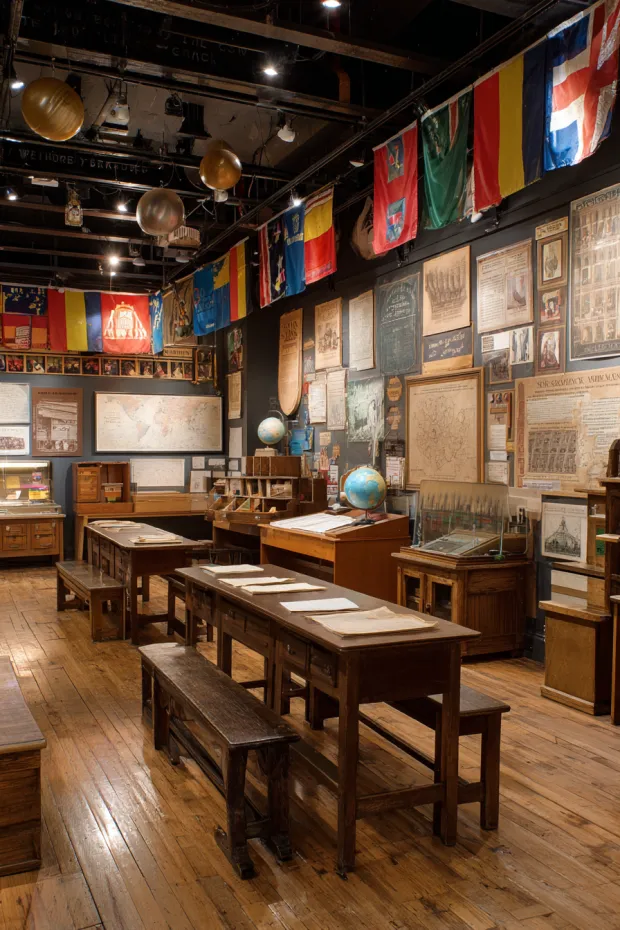
Theatrical environments encourage creative expression while providing authentic contexts for developing performance skills and building confidence through artistic exploration and presentation. The costume elements teach character development while the technical aspects introduce stagecraft skills and behind-the-scenes artistic careers and opportunities. This approach validates different forms of intelligence while creating inclusive environments where all students can find ways to participate and contribute meaningfully. The performance space teaches audience behavior while the creative elements encourage imagination and artistic risk-taking essential for personal growth. This dramatic technique demonstrates that learning can be both rigorous and creative, supporting multiple forms of artistic expression and communication.
17. Life Skills Practice Center
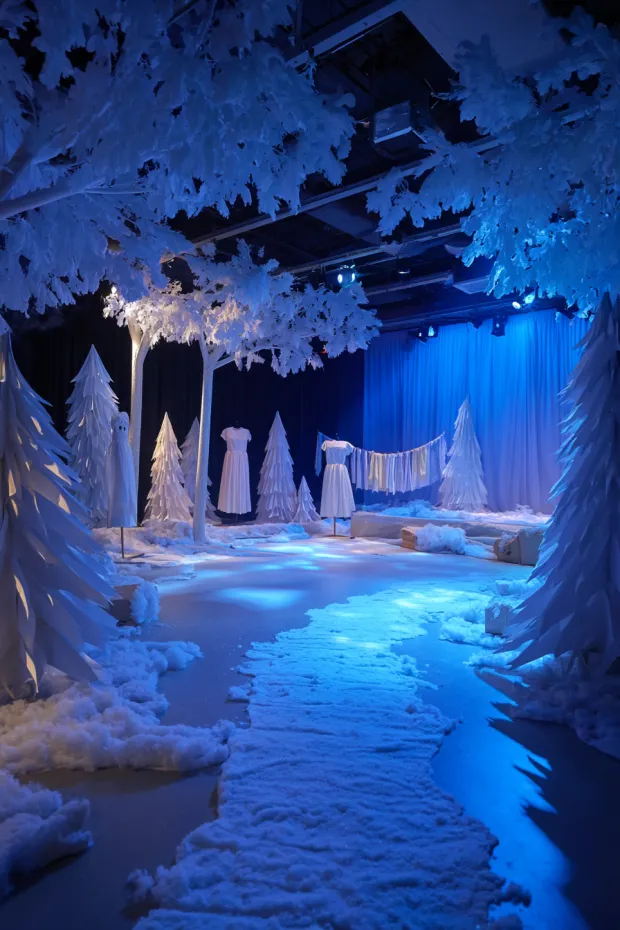
Practical learning environments teach essential life skills while creating authentic contexts for applying academic knowledge to real-world situations and problem-solving challenges. The hands-on activities develop independence while the cultural elements introduce diverse traditions and cooking methods from various world communities. This approach builds confidence in practical abilities while the collaborative elements teach teamwork and social skills essential for adult success and community participation. The organized systems teach planning and preparation while the creative elements encourage innovation and personal expression in practical applications. This functional technique proves that academic learning should connect to real-life applications, building competence and confidence for future independence.
18. Technical Arts Workshop Space
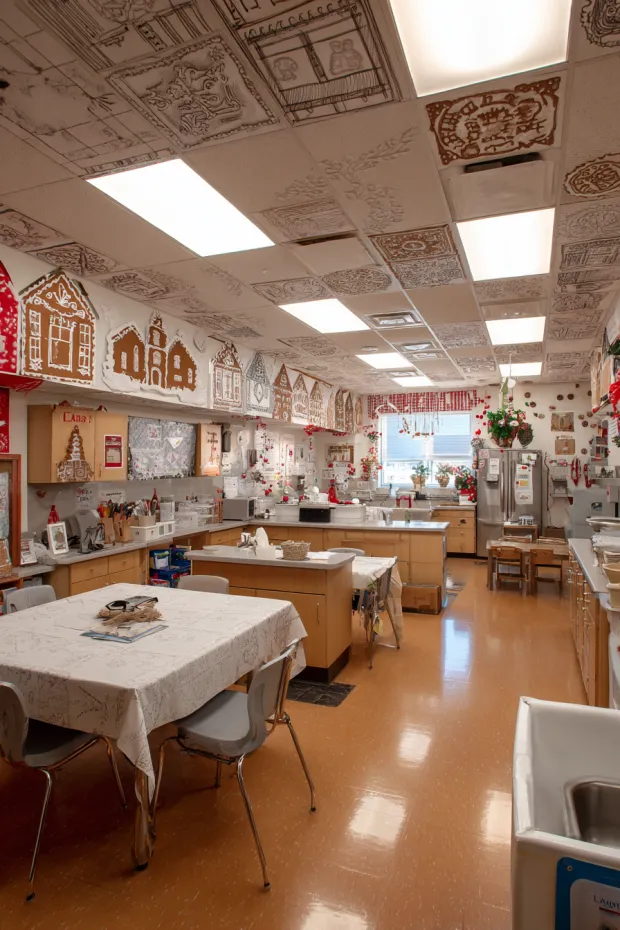
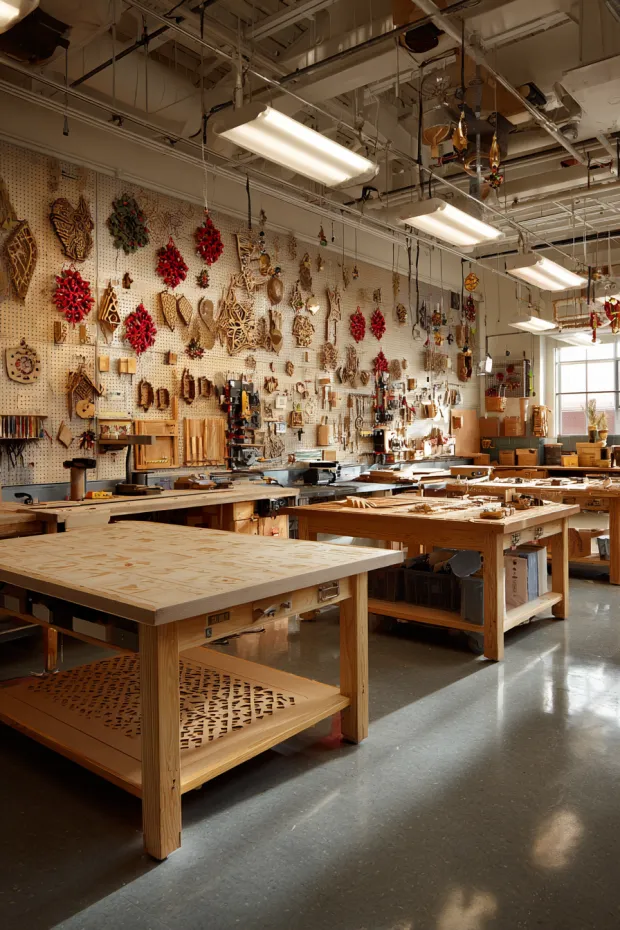
Hands-on learning environments develop practical skills while teaching safety procedures and proper tool use essential for technical careers and personal competence. The student displays validate craftsmanship while building pride in manual skills and creative problem-solving through hands-on construction and design challenges. This approach teaches precision and attention to detail while the collaborative elements foster teamwork and peer mentoring relationships that support skill development. The organized systems teach workshop management while the creative elements encourage innovation and personal expression through technical mediums. This practical technique demonstrates that technical education deserves equal recognition while building skills essential for many career pathways and personal satisfaction.
19. Counseling Support Center Environment
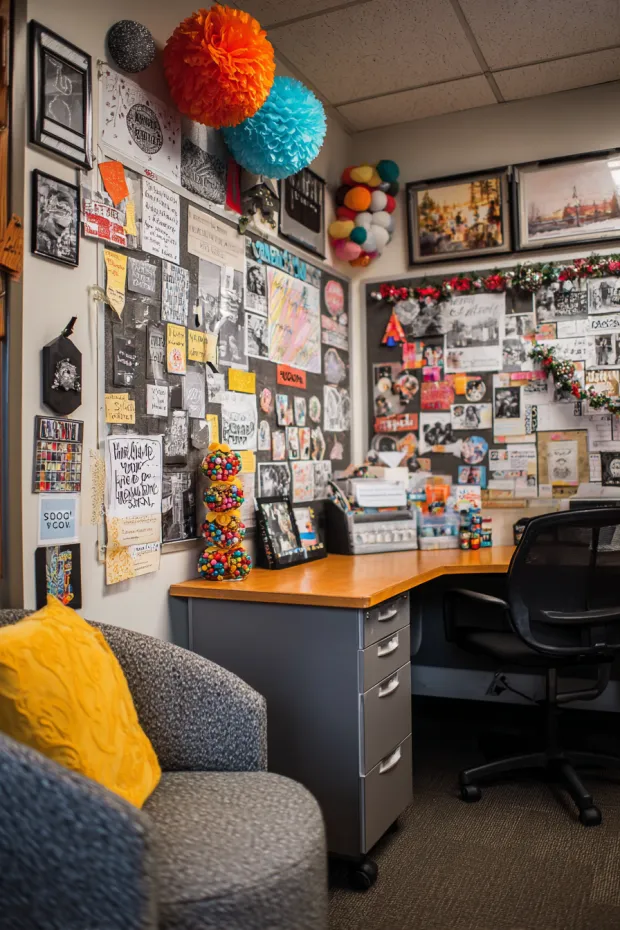
Creating safe, welcoming spaces supports emotional development while providing environments where students feel comfortable seeking help and building important social-emotional skills. The comfort elements encourage relaxation while the inspirational materials provide positive messaging that supports mental health and personal growth throughout challenging developmental periods. This approach validates emotional needs while teaching coping strategies and stress management techniques essential for academic success and personal well-being. The organized systems teach self-advocacy while the calming elements provide necessary retreat spaces for emotional regulation and personal reflection. This supportive technique demonstrates that student well-being should be prioritized equally with academic achievement, creating holistic educational environments.
20. Musical Performance Practice Room
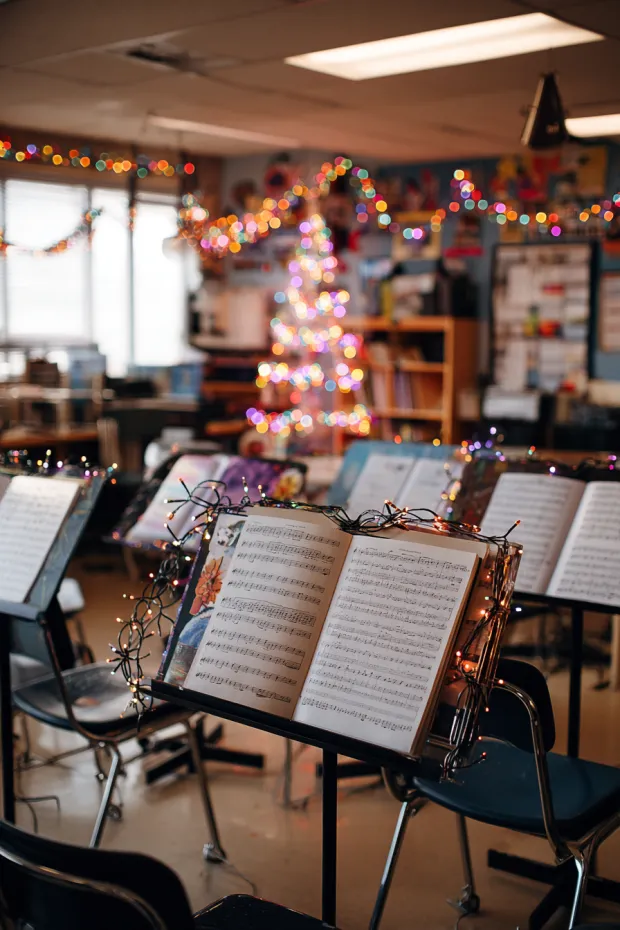
Performance spaces require acoustic considerations while creating inspiring environments that encourage musical excellence and artistic expression through dedicated practice and collaborative music-making. The lighting elements enhance performance quality while the organized systems teach proper instrument care and rehearsal etiquette essential for ensemble participation. This approach validates musical intelligence while building confidence through structured performance opportunities and peer collaboration in artistic endeavors. The technical elements teach sound management while the creative displays inspire continued musical exploration and appreciation for diverse musical traditions. This artistic technique proves that music education requires specialized environments while building skills that support both individual expression and collaborative artistic creation.
21. Special Education Adaptive Center
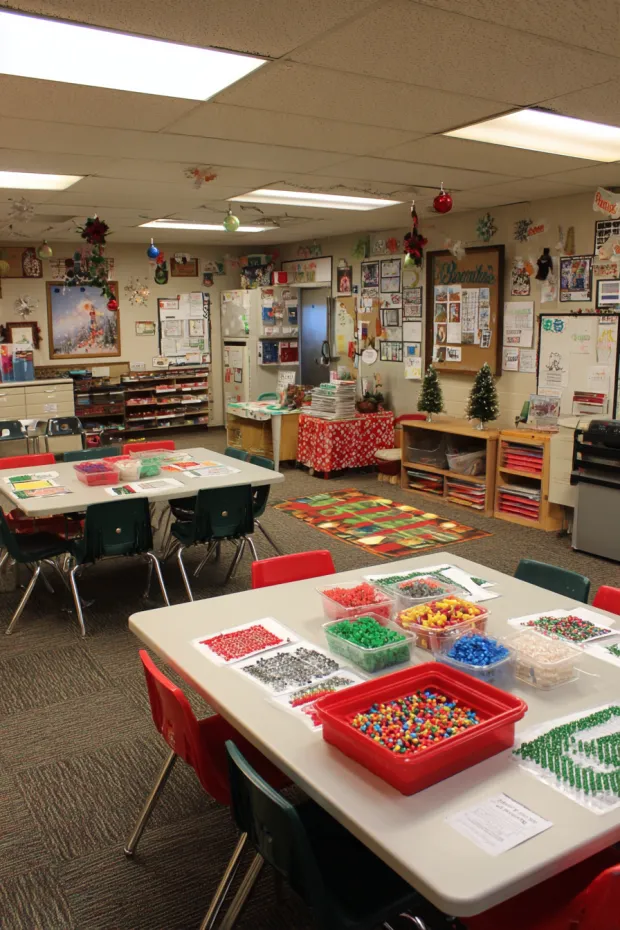
Individualized learning environments address diverse needs while creating inclusive spaces where all students can access curriculum through appropriate accommodations and modifications. The adaptive materials support different learning styles while the sensory considerations ensure comfortable participation for students with varying sensitivity levels and processing needs. This approach builds independence while teaching self-advocacy skills essential for lifelong learning and personal success in diverse environments and situations. The organized systems support routine and predictability while the engaging elements maintain motivation and interest in learning activities. This inclusive technique demonstrates that effective education must address individual needs while maintaining high expectations for all learners.
22. Photography Arts Documentation Space
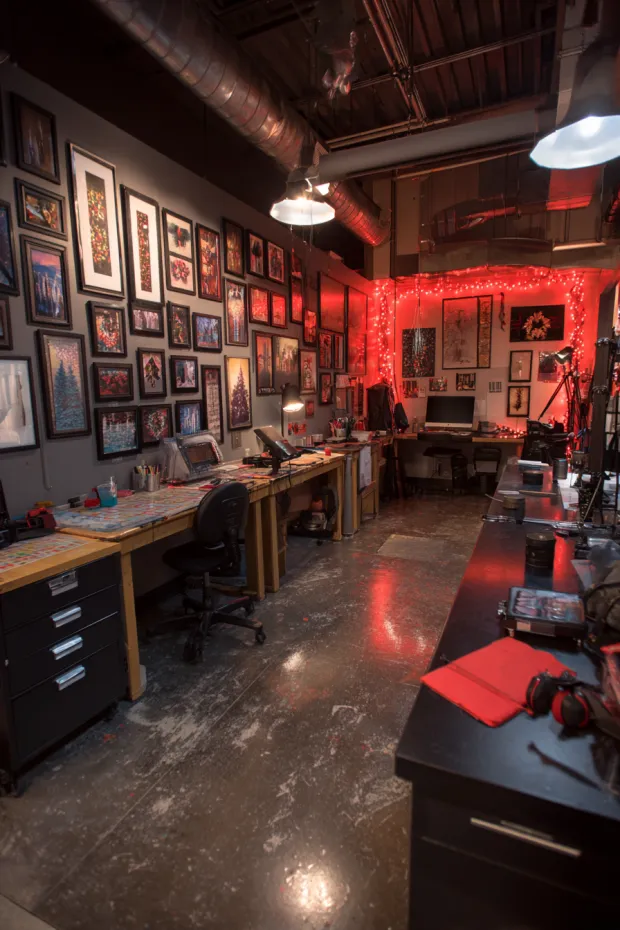
Creative documentation teaches technical skills while providing authentic contexts for developing artistic vision and understanding composition, lighting, and visual storytelling principles. The gallery concept validates student creativity while building appreciation for visual arts and technical proficiency in digital media and traditional photography methods. This approach teaches critical analysis while the technical elements introduce career pathways in visual media and creative industries that require both artistic and technical competence. The organized systems teach studio management while the creative elements encourage experimentation and personal expression through visual mediums. This technical technique bridges art and technology while building skills essential for modern communication and creative careers.
23. Health Education Wellness Center
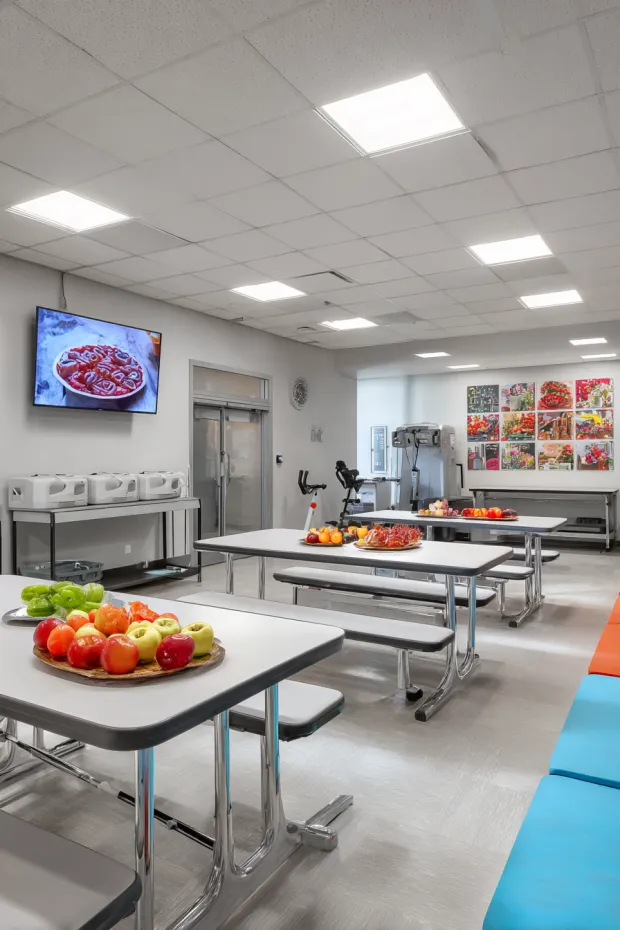
Health-focused environments teach essential life skills while creating supportive spaces for learning about nutrition, exercise, and mental health through engaging, age-appropriate activities and discussions. The practical elements reinforce healthy choices while the educational displays provide ongoing reference materials that support continued learning and healthy habit formation. This approach builds health literacy while the interactive elements engage different learning styles and make health education more accessible and personally relevant. The organized systems teach personal responsibility while the positive messaging supports self-esteem and healthy lifestyle choices essential for lifelong well-being. This wellness technique demonstrates that health education should be comprehensive and engaging, building knowledge and skills for healthy living.
24. Ceramics Arts Studio Space
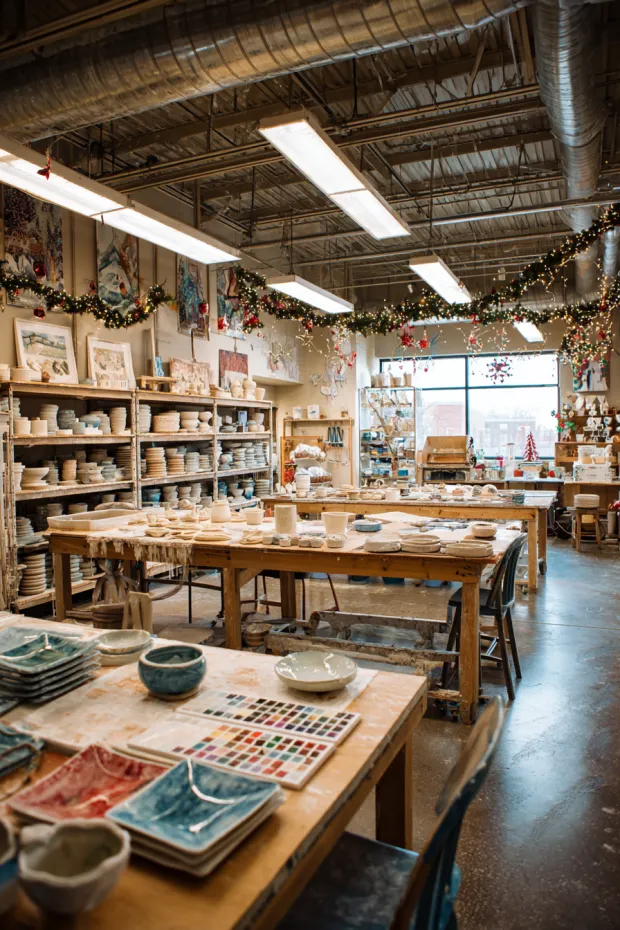
Hands-on artistic environments develop fine motor skills while teaching traditional craft techniques and building appreciation for functional art and creative problem-solving through clay manipulation. The studio setup teaches proper tool use while the display areas validate student creativity and build pride in handmade objects and personal artistic expression. This approach teaches patience and process while the collaborative elements foster peer learning and artistic community building through shared creative experiences and constructive feedback. The organized systems teach studio responsibility while the technical elements introduce career pathways in functional arts and creative entrepreneurship opportunities. This artistic technique combines creativity with practical skills while building appreciation for traditional crafts and contemporary ceramic arts.
25. Psychology Mental Health Space
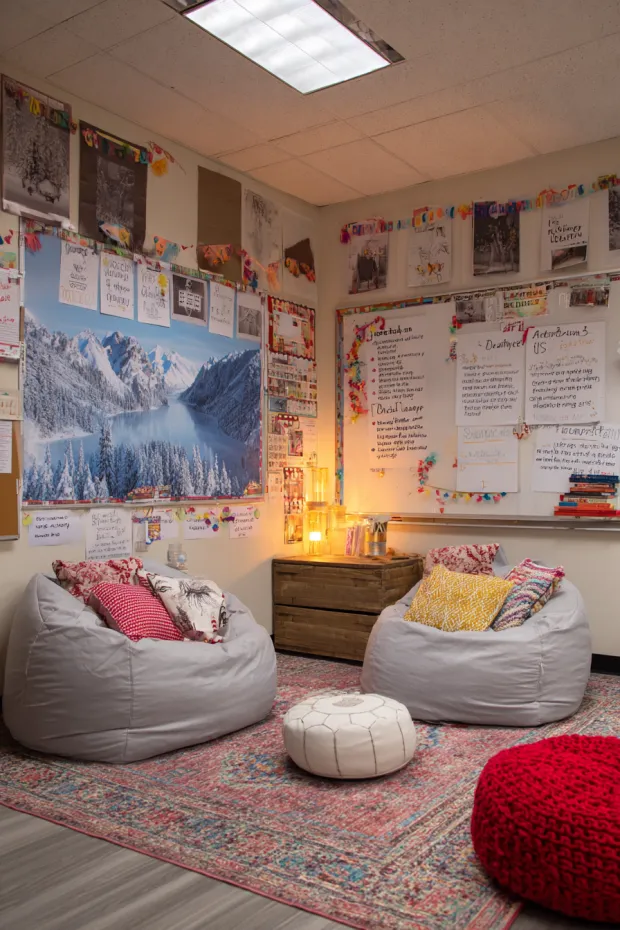
Mental health education requires sensitive approaches while creating safe environments for discussing emotional development and building social-emotional skills essential for personal success and relationships. The comfort elements encourage open communication while the educational materials provide age-appropriate information about stress management and emotional regulation strategies. This approach validates emotional experiences while teaching healthy coping mechanisms and stress reduction techniques that support academic success and personal well-being throughout developmental challenges. The organized systems teach self-care while the supportive elements provide necessary resources for students experiencing emotional difficulties or personal challenges. This therapeutic technique demonstrates that mental health education should be integrated throughout educational experiences, building resilience and emotional intelligence.
26. Environmental Science Sustainability Center
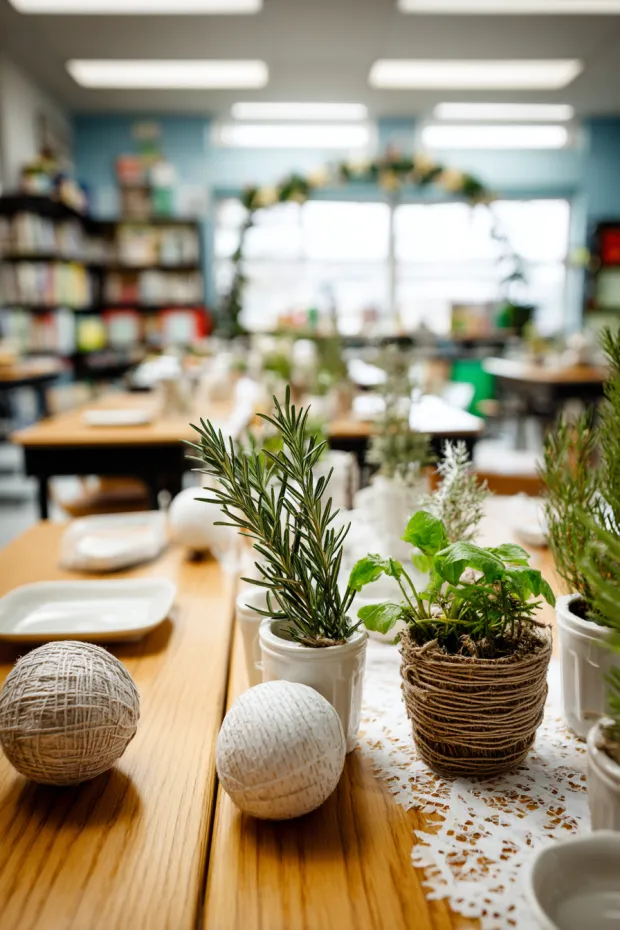
Eco-friendly decorating teaches environmental responsibility while demonstrating practical applications of sustainability principles through hands-on conservation projects and environmental stewardship activities. The living elements provide ongoing learning opportunities while the conservation displays reinforce curriculum objectives related to environmental science and responsible resource management. This approach builds environmental awareness while the hands-on activities develop scientific inquiry skills and understanding of ecological relationships and human environmental impact. The sustainable materials teach responsible consumption while the educational elements introduce career pathways in environmental science and conservation fields. This ecological technique proves that education should model environmental responsibility while building awareness of environmental challenges and solutions.
27. Business Entrepreneurship Skills Center
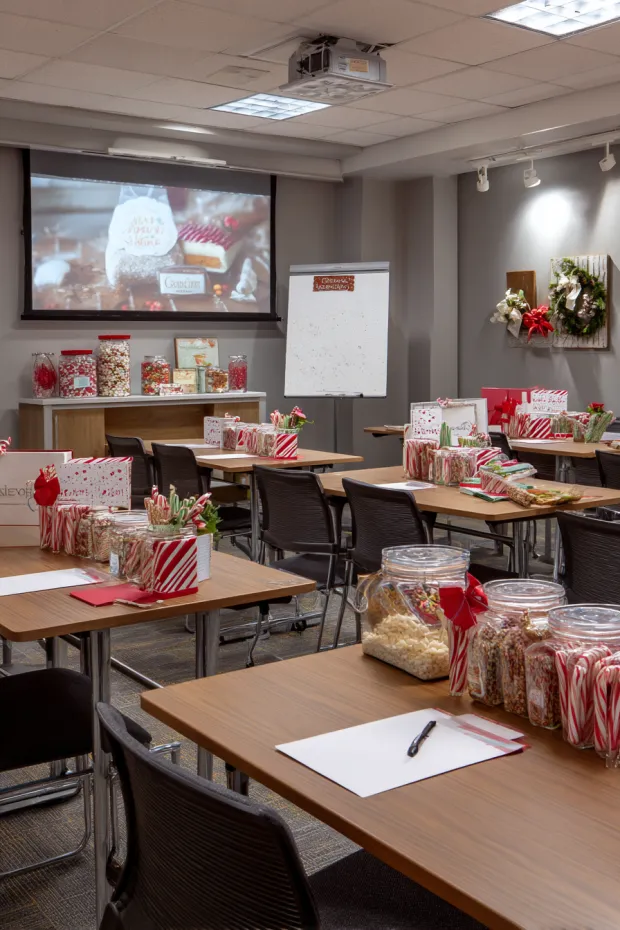
Professional environments teach workplace skills while providing authentic contexts for developing business acumen and understanding economic principles through hands-on entrepreneurial activities and projects. The realistic displays teach marketing concepts while the organized systems introduce business planning and management skills essential for career success and economic literacy. This approach builds confidence in professional abilities while the collaborative elements teach teamwork and communication skills necessary for workplace success and leadership development. The authentic materials create tangible connections to business world while the student involvement builds understanding of economic systems and entrepreneurial opportunities. This professional technique demonstrates that business education should be practical and engaging, building skills for economic participation and career success.
28. Early Childhood Development Center
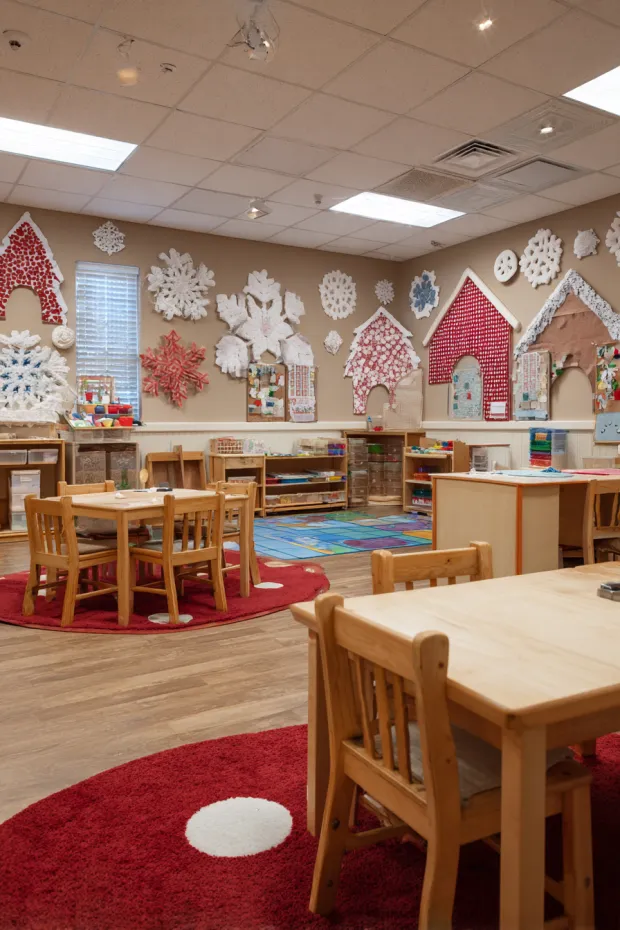
Age-appropriate environments support crucial developmental milestones while creating nurturing spaces where young children feel secure and excited about learning through play-based activities and exploration. The sensory elements support brain development while the organized systems teach self-regulation and social skills essential for school readiness and positive peer relationships. This approach honors developmental needs while building pre-academic skills through engaging activities that make learning feel natural and enjoyable for curious young minds. The comfort elements provide necessary security while the stimulating materials encourage exploration and discovery that supports cognitive and social-emotional development. This nurturing technique proves that early childhood education should balance care with learning, creating foundations for lifelong educational success and personal growth.
Creating Magical Learning Spaces That Inspire
These classroom decorating ideas demonstrate that festive environments can enhance rather than distract from educational objectives when thoughtfully planned and implemented. Choose decorating strategies that align with your teaching style and student needs, then implement them gradually to avoid overwhelming your learning environment. Remember that the most effective classroom decorations serve multiple purposes: celebrating the season, supporting curriculum goals, and creating spaces where every student feels valued and excited to learn. Your thoughtful attention to classroom environment will create lasting positive associations with learning that extend far beyond the holiday season.